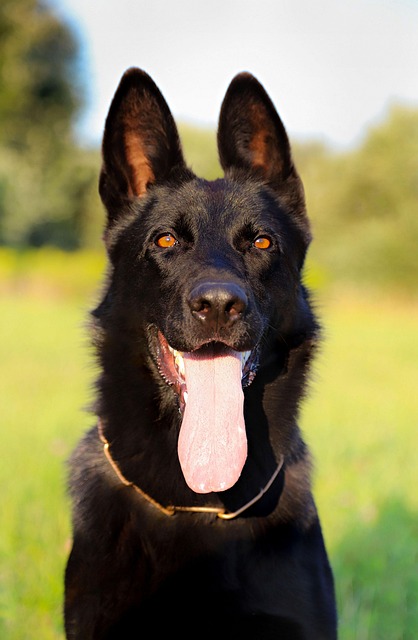
Pet Sitting and Dog Walking requires strategic preparation, knowledge of diverse pet needs, breed-specific behaviors, safety protocols, and engaging playtime activities. Key insights include tailoring care plans to individual pets, adhering to leash laws, staying informed about local hazards, utilizing mapping tools for personalized routes, and regular communication with owners. Prioritizing safety, well-being, and happiness enhances the quality of care provided.
In today’s fast-paced world, finding reliable solutions for pet care has become a top priority for many animal lovers. Pet Sitting and Dog Walking have emerged as essential services, offering peace of mind while ensuring our furry friends receive the attention and affection they deserve. This article delves into the rewarding world of these pet care ventures, providing insights into how responsible owners can transform their passion into meaningful opportunities. We’ll explore strategies to make each day fun-filled and safe for pets, catering to a growing demand for dedicated care.
Prepare for Pet Sitting Adventures: Tips & Essentials

Preparing for pet sitting adventures requires a thoughtful blend of planning, knowledge, and passion for animals. Before you embark on your journey as a pet sitter or dog walker, consider the diverse needs of different pets, from dietary requirements to exercise routines. Research common behaviors and potential health issues specific to various breeds, drawing on reliable resources and expert advice. For instance, understanding the high energy levels and specialized care needs of active breeds like Border Collies can ensure you provide an enriching experience tailored to their well-being.
Logistics play a crucial role in successful pet sitting. Develop a robust system for communication with pet owners, establishing clear expectations and addressing any concerns promptly. Create standardized care plans outlining feeding schedules, medication administration (if applicable), exercise routines, and any special attention required for individual pets. This detailed approach ensures consistent, compassionate care even when the pet owner is absent. For example, a well-prepared care plan for a senior dog might include specific rest times, gentle walks tailored to its energy level, and reminders for regular water intake.
Safety is paramount in pet sitting and dog walking. Familiarize yourself with basic first aid techniques specifically for animals, such as treating minor injuries or recognizing signs of distress. Ensure your home or the client’s home is pet-safe by removing potential hazards and securing toxic substances. This proactive approach not only demonstrates professionalism but also safeguards the well-being of the pets in your care. Regularly updating your knowledge through workshops, online courses, or industry associations can equip you with the latest best practices, ensuring you provide exceptional pet sitting experiences.
Navigating Dog Walking Routes & Safety Measures

Navigating Dog Walking Routes and Implementing Safety Measures is an integral part of any successful Pet Sitting and Dog Walking service. As a pet sitter, ensuring your client’s dog receives adequate exercise and exploration is key to their well-being. This involves careful planning and consideration of various factors that can impact the safety and enjoyment of both the pet and the walker.
One of the primary tasks is to devise an efficient walking route that caters to the dog’s age, breed, and energy levels. For instance, a lively young puppy may require multiple shorter walks throughout the day, whereas an older dog might benefit from a slower-paced, more scenic route. Utilizing mapping tools or consulting with local pet experts can help create personalized trails that offer mental stimulation and physical exercise. Additionally, staying informed about potential hazards in the area is crucial; this includes being aware of areas prone to traffic, other animals, or environmental dangers that could pose risks during walks.
Safety measures should be a top priority when Pet Sitting and Dog Walking. This involves adhering to local regulations regarding leash laws and ensuring proper identification for pets at all times. Walkers should also be prepared with a first-aid kit tailored to the needs of various dog breeds, capable of handling minor injuries or allergic reactions. Regular communication with clients about their pet’s behavior, preferences, and any specific instructions further enhances safety and builds trust. By combining thoughtful route planning and robust safety protocols, Pet Sitters and Dog Walkers can deliver an exceptional service that prioritizes the well-being and happiness of the pets in their care.
Creating Fun-Filled Days: Games & Activities for Pets

Creating engaging and fun-filled days for pets is a significant aspect of responsible pet sitting and dog walking. This involves understanding not just their physical needs but also their psychological requirements for well-being. Games and activities play a pivotal role in enriching their lives, promoting mental stimulation, and fostering positive interactions. For instance, studies show that dogs experiencing regular play sessions exhibit reduced anxiety levels and enhanced overall happiness.
When it comes to pet sitting and dog walking, the key is to tailor activities based on each animal’s unique personality and preferences. Simple yet effective options include interactive toy games, such as puzzle feeders, which encourage mental exercise while providing entertainment. For dogs, fetch and tug-of-war remain timeless classics that offer excellent cardiovascular exercise alongside bonding opportunities for owners and their pets. Additionally, creating an indoor or outdoor obstacle course can be a fun challenge, fostering agility and problem-solving skills in cats and dogs alike.
Implementing these strategies requires a keen observer who can adapt activities to suit the pet’s mood and energy levels. Regular breaks for rest and relaxation are essential, ensuring that playtime doesn’t outpace the pet’s stamina. Moreover, incorporating variety is crucial to maintaining enthusiasm; switching up games and routines prevents boredom and keeps pets engaged. By prioritizing fun-filled days through strategic gameplay, professional pet sitters and dog walkers can significantly enhance the quality of life for the animals in their care.
Through a comprehensive exploration of Pet Sitting and Dog Walking, this article has equipped readers with invaluable insights to enhance their caregiving experiences. Key takeaways include meticulous preparation, understanding safety protocols, and incorporating engaging games and activities tailored to pets’ needs. By navigating dog walking routes thoughtfully, ensuring well-being through safety measures, and fostering fun-filled days, pet sitters and dog walkers can create enriching environments that promote happiness and health in their charges. These practical strategies underscore the importance of responsible care while reveling in the joy of spending quality time with animals.