
Pet Sitting and Dog Walking have emerged as vital services, reflecting the strong human-pet bonds. Professional providers ensure consistent care, exercise, and companionship, promoting pets' physical and mental health. Key practices include: building an online presence, flexible scheduling, structured routines tailored to each pet's needs, and positive reinforcement training. Regular interactions foster trust and reduce anxiety in pets. By combining exercise, mental stimulation, and affection, Pet Sitting and Dog Walking significantly contribute to pets' overall well-being and strengthen the human-pet relationship.
In today’s fast-paced world, many pet owners face the challenge of balancing their busy schedules with ensuring their furry companions receive adequate care. This is where professional Pet Sitting and Dog Walking services step in as a valuable solution. With a growing demand for dedicated pet caregivers, this article delves into the significance of these services in maintaining pets’ well-being and providing peace of mind for their owners. We will explore how reputable pet sitting and dog walking can be a game-changer for busy pet parents, offering not just a temporary fix but a reliable and loving environment for their beloved pets to thrive.
Unlocking the Power of Pet Sitting: A Comprehensive Guide

Pet sitting and dog walking have emerged as vital services, transforming the lives of countless pet owners while fostering a thriving industry. This trend is not merely a passing fad but a testament to the deep bond humans share with their furry companions. With busy lifestyles, many pet parents seek reliable solutions for their pets’ care, leading to a growing demand for professional pet sitters and dog walkers. Unlocking the full potential of these services can significantly enhance both the well-being of pets and the peace of mind of their owners.
The benefits of pet sitting extend far beyond occasional coverage during vacations or work commitments. Dedicated pet sitters provide routine care, including feeding, exercise, and companionship, mirroring the consistency and affection offered by a pet’s primary carer. For example, regular dog walking not only promotes physical health but also mental stimulation, leading to happier, better-behaved canine companions. Studies show that active dogs exhibit reduced anxiety and aggression, highlighting the long-term positive impact of consistent exercise routines facilitated by professional pet walkers.
Practical insights for aspiring pet sitters and dog walkers are abundant. Building a strong online presence through review platforms is crucial for attracting clients, while offering flexible scheduling options caters to diverse needs. Ensuring a safe and stimulating environment for pets in your care is paramount, involving creating structured daily routines tailored to each animal’s unique personality. For instance, some dogs thrive on long walks and playtime, while others prefer quieter activities. Customizing care plans demonstrates a deep understanding of animal behavior, fostering trust with clients.
Dog Walking 101: Techniques for a Happy, Healthy Canine
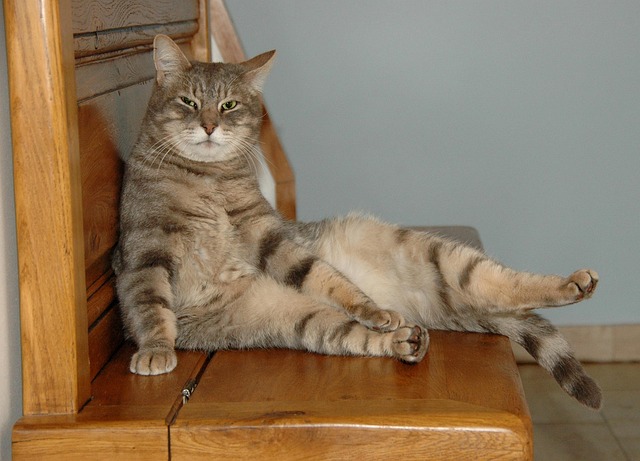
Dog walking is an essential aspect of responsible pet ownership, offering numerous benefits for both the canine companion and its owner. This practice not only ensures your dog receives regular physical exercise but also stimulates their mental health and overall well-being. As a dedicated pet sitter or dog walker, understanding effective techniques can create a joyful and healthy experience for your furry friend. The art of dog walking involves more than just a daily stroll; it’s about establishing a routine that caters to the unique needs and personality of each dog.
One of the primary goals is to maintain a consistent schedule. Dogs thrive on routines, and regular exercise at specific times helps regulate their internal clocks, promoting better behavior and sleep patterns. For instance, a study by the University of California found that dogs walked twice daily displayed improved mood and reduced anxiety levels compared to those walked only once. Pet sitting professionals should aim to create structured walks tailored to each dog’s energy levels and preferences. This might include varied routes with interesting sights and scents, allowing for both physical exertion and mental stimulation. Incorporating playtime during these walks further enhances the experience by strengthening the bond between the dog and walker.
Furthermore, proper technique is vital. Dog walkers should employ positive reinforcement training methods to encourage desired behaviors. Rewarding good behavior with treats or praise can motivate dogs to adhere to commands, making walks more enjoyable for both parties. Consistent communication and a calm demeanor are key; dogs respond positively to assertive but gentle guidance. By combining regular exercise with mental stimulation and love, pet sitters and dog walkers can contribute significantly to the happy, healthy lives of their canine charges.
The Art of Bonding: Building Trust Through Care and Play

Building a strong bond with your pet is an art that goes beyond mere companionship; it’s about fostering trust and creating a deep connection through care and play. For those who seek to deepen this relationship, becoming a Pet Sitter or Dog Walker can be a rewarding experience, offering unique insights into the needs and personalities of various pets. This process involves understanding the nuances of animal behavior, recognizing individual preferences, and tailoring interactions accordingly.
The Art of Bonding requires consistent effort and dedication. Regular Pet Sitting and Dog Walking sessions allow for daily interactions, which are crucial in building trust. For instance, a study by the American Veterinary Medical Association (AVMA) revealed that pets in homes with regular visitors displayed higher levels of contentment and reduced anxiety. Through playtime, sitters can engage dogs in physical activities, mental exercises, and social interactions, all of which contribute to their overall well-being. This not only strengthens the human-pet relationship but also aids in behavior modification, a common goal for many pet owners.
Practical tips for Pet Sitters include observing pets’ unique cues and preferences. Some dogs thrive on energetic games, while others prefer calm, quiet play. Adapting to these individualities ensures a positive experience. Additionally, maintaining open communication with owners is vital; understanding their expectations and providing regular updates allows for a seamless transition during their absence. Expert advice encourages sitters to treat each pet as an individual, recognizing that what works for one may not suit another. This personalized approach leaves a lasting impression on the pets and reinforces the bond between them and their caregivers.
By exploring the transformative power of pet sitting and dog walking, this authoritative article has unveiled a wealth of insights. Unlocking the potential of these activities not only enhances the well-being of pets but also strengthens the bond between humans and their furry companions. Key takeaways include mastering effective techniques for dog walking, fostering trust through play and care, and understanding the profound impact of consistent pet sitting on an animal’s life. For those passionate about animals, this guide offers a comprehensive roadmap to excel in pet sitting and dog walking, ensuring each pet receives the love and attention they deserve, ultimately enriching both their lives and ours.