
Pet Sitting and Dog Walking services are gaining prominence within a $200 billion global pet care industry, offering enhanced physical and mental well-being for pets while providing owners with peace of mind. Professional pet sitters ensure personalized care, administer medication, and maintain consistent routines to prevent behavioral issues. The Art of Dog Walking involves structured exercise, free play, and environmental exploration tailored to age and breed differences, promoting canine well-being and owner mental health. Reputable services focus on client education, personalized plans, and open communication, fostering trust for optimal pet care while owners are away.
In today’s fast-paced world, pet owners often struggle to balance their commitments with the quality care their furry friends deserve. This is where professional Pet Sitting and Dog Walking services step in as a vital solution. With countless busy professionals and working families, ensuring pets receive adequate attention, exercise, and companionship has become a pressing concern. Our article, “Pet Lovers Wanted: Sit, Play, Repeat,” delves into this growing need, exploring the transformative impact of dedicated pet care providers. We will dissect the challenges faced by pet parents and offer a comprehensive guide to finding reliable Pet Sitters and Dog Walkers who can fill these crucial roles.
Unlocking the Power of Pet Sitting: A Comprehensive Guide

Pet sitting and dog walking are not just acts of kindness; they represent a powerful tool for enhancing the quality of life for both pets and their owners. The global pet care industry is valued at over $200 billion, with pet sitting services experiencing significant growth. This trend speaks volumes about the changing dynamics between humans and their animal companions. Unlocking the potential of pet sitting involves more than just filling a vacancy; it’s about fostering a bond that promotes physical and mental well-being for pets while providing much-needed respite for busy owners.
The benefits of professional pet sitting extend far beyond basic pet care. Well-trained pet sitters can administer medication, recognize signs of distress or illness, and provide individualized attention tailored to each pet’s unique personality and needs. For instance, a pet sitter might engage a high-energy dog in stimulating outdoor activities, while a cat sitter could create a calm environment to help a senior feline feel secure during owner absences. Moreover, pet sitting offers owners peace of mind by eliminating worry and anxiety associated with leaving beloved pets alone for extended periods.
Implementing a structured pet sitting routine can revolutionize the way we care for our animals. According to a study by the American Pet Products Association (APPA), over 65% of pet owners consider their pets as family members, underscoring the importance of maintaining consistent routines even when apart. Expert pet sitters and dog walkers play a pivotal role in preserving these routines, ensuring regular feeding schedules, exercise, and socialization opportunities. They also contribute to the overall well-being of pets by providing mental stimulation through play and interaction, helping to prevent behavioral issues that can arise from boredom or loneliness.
The Art of Dog Walking: Techniques for a Happy Hound

The Art of Dog Walking is a nuanced practice that goes beyond simply taking a pet for a stroll. It’s an opportunity to enrich a dog’s life, stimulate their minds, and foster a deeper bond between owner and companion. Effective dog walking involves understanding canine behavior, physical needs, and emotional well-being. A happy hound is one that not only enjoys the walk but also returns home exhausted from mental and physical stimulation.
Pet sitting and dog walking professionals employ various techniques to achieve this. One proven method is to incorporate a mix of structured exercise, free play, and environmental exploration during walks. For instance, allowing a dog to sniff and investigate different scents can fulfill their natural curiosity, while structured games like fetch or agility exercises provide mental and physical challenges that keep them engaged. A balanced walk routine should also consider age and breed-specific needs—puppies require more frequent breaks, while senior dogs may benefit from shorter but more frequent walks.
Moreover, establishing a consistent walking schedule is crucial. Dogs thrive on routines, and regular exercise helps maintain their overall health and well-being. Walking at the same time each day not only benefits the dog’s physical condition but also reinforces a sense of security and predictability for them. This structured approach to dog walking can lead to stronger bonds between pets and their walkers, fostering a happier, healthier lifestyle for both parties. Recent studies have shown that regular exercise through pet sitting and dog walking can significantly reduce behavioral problems in dogs and contribute to improved mental health in their owners.
Empowering Pet Owners: Tips for Successful Pet Care
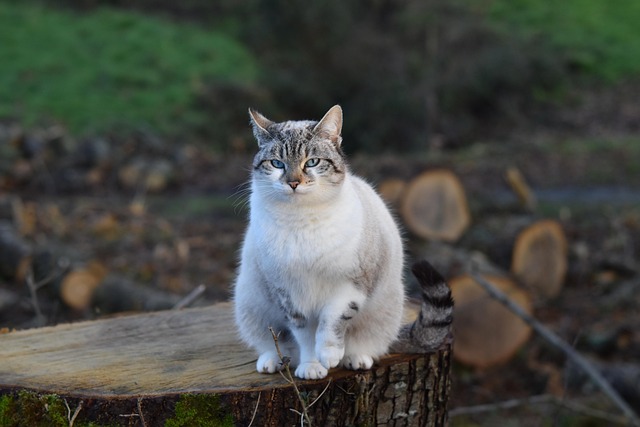
Empowering Pet Owners is a multifaceted approach to ensuring optimal pet care, encompassing various strategies tailored to the unique needs of both pets and their owners. In today’s fast-paced world, where many individuals juggle demanding careers and busy lifestyles, professional support in the form of pet sitting and dog walking services has become increasingly vital. According to recent studies, the global pet care market is expected to reach a substantial value by 2027, reflecting the growing demand for specialized pet services. This trend underscores the need for pet owners to access reliable resources that facilitate consistent and compassionate care for their beloved animals.
One of the key aspects of empowering pet owners is encouraging proactive preparation. Before engaging professional pet sitters or dog walkers, owners should thoroughly research and understand their pets’ medical history, dietary requirements, and behavioral traits. For instance, a pet with severe allergies requires specific medication and environmental adjustments to ensure a safe stay. Moreover, regular communication with trusted professionals can help owners anticipate potential challenges and make informed decisions regarding their pets’ routines. Regular updates on feeding schedules, exercise routines, and any changes in behavior or health can significantly contribute to the overall well-being of pets while their owners are away.
Another critical component is fostering a strong bond between pet owners and professional caregivers. Many reputable pet sitting and dog walking services prioritize client education and relationship building. They offer personalized care plans, provide regular updates through digital platforms, and encourage open dialogue. By maintaining consistent communication, owners can rest assured that their pets are not only receiving the necessary care but also forming a positive connection with their caretakers. This trusting relationship ensures a smoother transition for both parties, benefiting both the pet’s physical and emotional well-being.
In summary, this article has offered a comprehensive exploration of pet sitting and dog walking, empowering readers with valuable insights across three key areas. Unlocking the power of pet sitting provides essential guidance for those looking to enter this profession, while “The Art of Dog Walking” offers techniques to ensure canine happiness and well-being. Additionally, “Empowering Pet Owners” equips readers with tips to excel in pet care. By synthesizing these learnings, individuals can enhance their skills in pet sitting and dog walking, fostering healthier relationships between pets and their owners. The practical next step is to apply these strategies, ensuring a positive impact on the lives of both pets and their caretakers.