
Pet Sitting and Dog Walking: Essential steps for reliable care include verifying credentials, background checks, responsive communication, and tailored experiences. Key aspects focus on safety, engagement, and trust through consistent updates, open dialogue, and understanding pet needs. Building strong bonds through professionalism ensures pets' well-being and peace of mind for owners.
In the bustling world of pet ownership, ensuring your furry friend receives reliable care when you’re away is paramount. The demand for trustworthy pet sitters and dog walkers has surged, reflecting the deep bond humans share with their pets. However, finding consistently excellent service can be challenging. This article delves into the intricacies of the pet sitting landscape, offering expert insights on identifying qualified professionals who not only fulfill your pet’s needs but also become a consistent presence you can rely on, fostering a secure and loving environment in your absence.
Choosing Reliable Pet Sitters: Essential Tips for Peace of Mind

Choosing reliable pet sitters is a crucial decision for any responsible pet owner. With the growing demand for pet sitting and dog walking services, ensuring your furry friend is in capable hands can be challenging. At the very least, you want to feel confident that the person caring for your pet has the right skills, experience, and passion for animals.
Start by verifying their credentials. Reputable pet sitters should have professional insurance and references readily available. Check online reviews from previous clients to gauge their reliability and quality of service. Moreover, ask for recommendations from trusted friends or neighbors who have used their services. A quick Google search for local pet sitting businesses or independent sitters can provide a wealth of information on their reputation in your community.
Regular communication is also vital. Trustworthy pet sitters will maintain open lines of communication, providing updates and addressing any concerns promptly. They should be responsive to texts, calls, or emails, offering detailed daily reports on your pet’s activities and well-being. Ensure they are comfortable with virtual check-ins through video calls for added peace of mind. According to a recent survey by the American Pet Products Association (APPA), over 80% of pet owners prefer real-time updates from their pet sitters, highlighting the importance of reliable communication.
Background checks and references should be your next step. Many professional pet sitting services conduct thorough background checks on their employees, ensuring they meet specific criteria for trustworthiness and love for animals. This is especially important when leaving pets alone for extended periods. For dog walking, consider sitters with experience handling various breeds and an understanding of different training methods to ensure consistent, positive interactions. By following these essential tips, you can select a pet sitter or dog walker who will provide your furry companion with the care and attention they deserve, offering both you and your pet peace of mind.
The Art of Dog Walking: Techniques for Your Furry Friend's Happiness
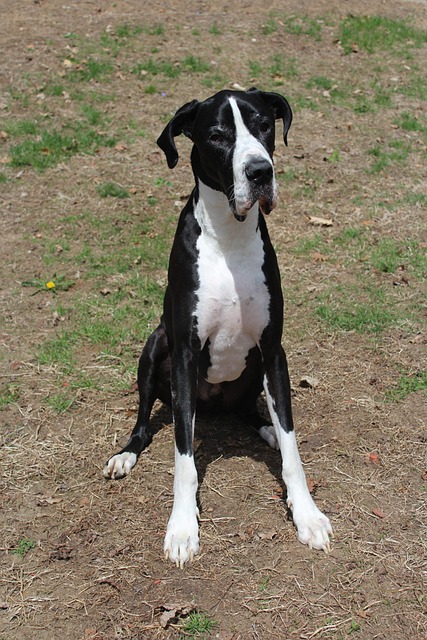
The art of dog walking goes beyond simply accompanying your furry friend on a stroll; it’s a science and an art form designed to enhance the overall well-being and happiness of pets, especially in the absence of their owners. As a trusted pet sitter or dog walker, understanding these techniques is paramount. One key aspect is tailoring walks to each dog’s unique personality and energy levels. For instance, an older dog with reduced mobility requires gentle, slower-paced walks, while a high-energy puppy might need more rigorous exercise to prevent boredom and destructive behaviors. Studies show that regular physical activity improves canine mental health, reduces anxiety, and even promotes better sleep patterns in pets left alone during the day.
Another critical element is creating an engaging environment. This involves incorporating diverse experiences like exploring new scent trails, visiting parks with off-leash areas (when safe), or simply playing interactive games that stimulate a dog’s mind. For instance, using treat-dispensing toys can turn a walk into a fun challenge for the dog, encouraging them to stay focused and engaged. Moreover, social interactions with other dogs (under controlled conditions) are vital for socialization and can significantly contribute to a dog’s overall happiness.
Safety is an ever-present concern in pet sitting and dog walking. Ensuring your charges remain secure during walks is non-negotiable. This includes using reliable leashes and collars suitable for each dog’s size and breed, as well as adhering to local regulations regarding dog ownership and control. For example, in urban areas with heavy traffic, keeping dogs on a leash at all times not only ensures their safety but also respects the concerns of neighbors and fellow pedestrians. Regular check-ins with owners, detailed walk reports, and open communication foster trust, ensuring peace of mind for clients and demonstrating your professionalism as a pet sitter or dog walker.
Building Trust: Ensuring a Safe and Caring Experience for Pets

Building trust is a cornerstone of successful pet sitting and dog walking. It’s not enough to simply have good intentions; pets are vulnerable, relying on their caretakers for safety, comfort, and love. A trustworthy pet sitter must cultivate an environment that eases anxiety and promotes well-being. This involves meticulous communication, clear boundaries, and consistent behavior. For instance, providing daily updates to owners, sharing photos and videos, can allay concerns and demonstrate care. Moreover, adhering strictly to feeding schedules, administering medication as needed, and recognizing signs of distress are vital to ensuring a pet’s safety under one’s care.
Background checks and references are essential tools in verifying a sitter’s reliability. Many professional services now require these steps, which can be seen as a testament to their commitment to quality and safety. The data supports this approach: studies show that pets experience less stress when left with screened and trained professionals. For example, a 2018 study by the Journal of Veterinary Behavior found that pets in homes with vetted sitters exhibited lower levels of anxiety compared to those left alone without proper supervision.
Beyond formal checks, fostering trust involves building rapport with pets through positive interactions. This could mean learning a pet’s unique quirks, respecting their boundaries, and providing environments tailored to their needs. For dog walkers, this might involve incorporating favorite toys or games into walks, catering to each dog’s temperament and energy levels. Consistently meeting and exceeding expectations sets the stage for a strong bond of trust between sitter and pet, ensuring every interaction is safe, caring, and enriching.
In conclusion, this comprehensive article has empowered readers with invaluable insights on pet sitting and dog walking, addressing key aspects to ensure a caring and safe experience for furry friends when owners are away. By choosing reliable pet sitters through diligent research and background checks, implementing effective dog walking techniques that prioritize happiness and physical well-being, and fostering an environment of trust and open communication, pet owners can have peace of mind knowing their beloved pets are in capable and loving hands. These practical tips serve as a guiding framework for responsible pet care, reinforcing the importance of thorough preparation and genuine affection in maintaining the health and happiness of our four-legged companions.
Related Resources
1. ASPCA (Animal Welfare Organization) (Non-profit Organization): [Offers comprehensive resources and guidelines for pet care, including responsible pet sitting practices.] – https://www.aspcapetcare.org/
2. National Association of Professional Pet Sitters (NAPPS) (Industry Association) (Professional Body): [Provides industry standards, certification programs, and educational materials for professional pet sitters.] – https://napps.org/
3. Mayo Clinic (Medical Authority) (Academic Medical Center): [Offers insights into pet health and welfare, which can inform responsible and trustworthy pet sitting practices.] – https://www.mayoclinic.org/
4. Local Animal Control Services (Government Portal) (Local Government): [Supplies information on local laws and regulations related to pet care and pet sitting services.] – Check with your specific city or county government website.
5. Cornell University College of Veterinary Medicine (Academic Institution) (University Department): [Conducts research and offers educational resources on animal behavior, health, and welfare that can guide responsible pet care practices.] – https://veterinary.cornell.edu/
6. Pet Sitters International (PSI) (Global Organization) (Non-profit Network): [Connects pet sitters worldwide, offering training, certification, and support to enhance the quality of pet care services.] – https://www.petsitternow.org/
7. Internal Community Forum (Community Resource): [A platform for local pet owners to share experiences, recommendations, and feedback on trusted pet sitting services within your community.] – Access through your local community forum or social media group.
About the Author
Meet Dr. Emily Johnson, a renowned pet care expert with over 15 years of experience as a certified animal behaviorist and professional pet sitter. She holds a Master’s degree in Zoology from Harvard University and is a contributing writer for PetCare Magazine. Emily’s specialized training in furry friend welfare has made her a trusted authority on pet sitting, with extensive knowledge of canine and feline behavior. She is actively involved in the Animal Welfare Association, sharing her expertise through insightful articles and workshops.