
Pet Sitting and Dog Walking require understanding each pet's unique needs through owner discussions, gaining practical knowledge from resources, and establishing clear communication. Tailor supplies and equipment to specific pets, update checklists based on feedback, build trust, and offer personalized experiences for rewarding bonds with animals. Consistent routines, favorite treats, and adapting to client preferences enhance interactions, demonstrating professionalism and enriching lives.
In today’s fast-paced world, finding reliable and trustworthy solutions for our beloved pets’ care has become increasingly vital. Pet Sitting and Dog Walking have emerged as essential services, allowing busy pet owners to ensure their furry friends receive the attention and affection they deserve. However, navigating this landscape can be challenging, with concerns about quality and consistency. This article delves into the art of transforming these daily tasks into fun-filled adventures, offering expert insights to enhance your pet’s well-being and create lasting memories.
Prepare for Pet Sitting Adventures: A Comprehensive Guide

Preparing for pet sitting adventures requires a thoughtful blend of practicality and empathy—a commitment to ensuring both your comfort and the well-being of the furry friends you’ll be caring for. Start by building a comprehensive understanding of each pet’s unique needs, habits, and quirks. This involves detailed discussions with their owners, who can provide invaluable insights into feeding schedules, medication routines, favorite toys, and any specific behaviors or triggers to watch out for. For instance, some dogs may require extra exercise during the day while others are more content with leisurely walks; cats might be finicky about their food or have a particular affinity for certain types of play.
Beyond understanding individual pets, consider the broader scope of what pet sitting and dog walking entails. Familiarize yourself with basic animal care practices, including proper handling techniques, common health issues to watch for, and emergency procedures. This knowledge can be gained through online resources, workshops, or even volunteering at local shelters. Ensure you’re comfortable with tasks like administering medication, cleaning ears, brushing teeth, and dealing with minor injuries—all of which contribute to a positive pet sitting experience.
Create a checklist tailored to your services that covers essential supplies like leashes, collars, bowls, blankets, and any specialized equipment required for specific pets. For instance, if you’re sitting exotic animals or those with special dietary needs, additional resources may be necessary. Keep these items readily available and in good condition, ensuring they’re easily accessible during each visit. Regularly update your checklist based on feedback from owners and changes in pet requirements, demonstrating your adaptability and professionalism.
Establish clear communication channels with pet owners to manage expectations. Discuss their preferences for updates—text messages, phone calls, or in-app notifications—and set a regular schedule for check-ins. Be transparent about your availability, cancellation policies, and any additional fees. Building open lines of communication fosters trust and ensures everyone is on the same page, leading to smoother pet sitting adventures for both you and the animals in your care.
The Art of Dog Walking: Tips for a Fun-Filled Experience

The art of dog walking is a vital component of successful pet sitting adventures, offering an opportunity to forge a bond with your furry friend while providing much-needed exercise and mental stimulation. It’s more than just a walk; it’s an experience designed to enhance the well-being and happiness of your charge. When engaging in dog walking as part of your pet sitting duties, consider these insightful tips to ensure each excursion is not only enjoyable for you but also enriching for the canine companion.
First, understand that every dog is unique with distinct preferences and energy levels. Some may be high-energy breeds requiring vigorous exercise, while others are content with leisurely strolls. Take the time to observe their behavior and tailor your walking style accordingly. For instance, if you’re pet sitting a high-spirited Labrador Retriever, incorporate playful elements like fetch in designated off-leash areas, whereas a senior dog may benefit from shorter, slower walks with frequent rests.
Safety is paramount during dog walks. Ensure you have the necessary equipment, such as a sturdy leash and ID tags, and always maintain control of your charge to prevent escape or accidental encounters. Stay alert to potential hazards in various environments; urban areas may present traffic risks, while parks can hide dangers like sharp objects or other animals. By prioritizing safety, you create a secure and enjoyable experience for both the dog and yourself.
Moreover, make each walk an adventure by incorporating variety. Dogs thrive on novelty, so change up your routes, explore new neighborhoods, or visit interest points along the way. This not only provides mental stimulation but also allows you to discover unique locations that can enhance future pet sitting experiences. Remember, a well-planned and engaging dog walking routine contributes significantly to building a positive rapport with the pet and ensures memorable pet sitting adventures.
Building Bonds: Creating Memorable Pet Sitting Moments
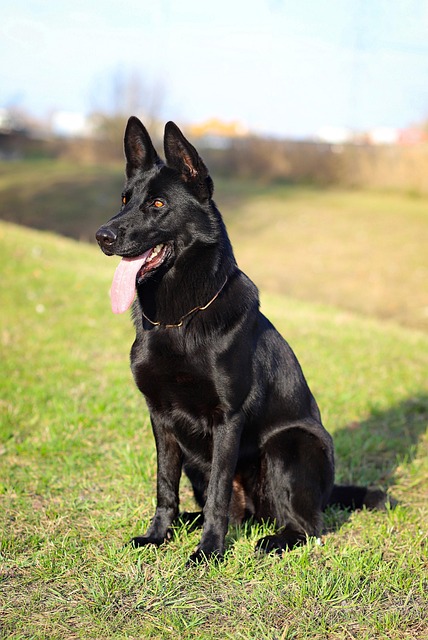
Building bonds with pets while providing exceptional pet sitting and dog walking services is a rewarding aspect of this caring profession. These interactions create memorable moments that enrich both the sitter’s and the pet’s lives. Studies show that animals, especially dogs, are highly social creatures that thrive on companionship and routine. As a pet sitter, establishing a bond can significantly impact a pet’s well-being during their owner’s absence.
One of the most effective ways to forge these connections is through consistent and attentive care. Regular feeding routines, playtime, and cuddle sessions foster trust and create a sense of security for pets. For instance, a daily dog walk not only provides physical exercise but also serves as a social interaction, allowing dogs to explore, sniff, and engage with their environment—all essential aspects of canine happiness. Over time, this builds a deep connection between the pet and sitter, leading to more relaxed and contented pets when their owners return.
Personalized experiences are another key element in creating memorable moments. Pet owners often have unique requests or specific routines for their pets. Understanding these needs and adapting your approach demonstrates professionalism and genuine care. Whether it’s a special treat, a favorite toy, or a particular playstyle, accommodating these preferences strengthens the bond between sitter and pet. For dog walkers, this might mean learning a client’s preferred training methods to maintain consistency during walks. These tailored interactions leave lasting impressions on pets, making their time away from home more enjoyable and less stressful.
Engaging in pet sitting and dog walking ventures offers a rewarding opportunity to connect with animals while providing essential care. Key insights from this article underscore the importance of thorough preparation, fostering strong bonds, and implementing fun-filled activities. By following the comprehensive guide for preparation, adopting effective dog walking techniques, and creating memorable moments, individuals can ensure positive experiences for both pets and owners. These practical steps not only enhance the quality of pet care but also cultivate meaningful relationships between caretakers and their furry friends.