Mastering pet sitting and dog walking involves strategic preparation: understanding breed needs, researching dietary & medication requirements, organizing emergency kits, staying updated through industry courses, and employing positive reinforcement techniques.
Key to successful experiences: creating structured routines, effective communication, constant vigilance for animal welfare, and maintaining close vet connections. This ensures owners' peace of mind and strengthens the bond between sitter and pet.
In today’s fast-paced world, finding reliable and engaging solutions for pet care has become a top priority for countless animal lovers. Pet Sitting and Dog Walking have emerged as indispensable services, offering much-needed support for working professionals and pet owners alike. With countless benefits ranging from enhancing pets’ well-being to fostering social connections, these activities have transformed into enjoyable adventures for both humans and their furry friends. This article delves into the world of fun-filled days pet sitting, exploring its positive impact, challenges, and the expert strategies needed to navigate this rewarding field, providing genuine value to both pet owners and caregivers.
Preparing for Pet Sitting Adventures: A Step-by-Step Guide

Preparing for pet sitting adventures requires a strategic approach to ensure both your safety and the well-being of the animals in your care. Start by familiarizing yourself with the basics of pet behavior and needs, including specific requirements for dog walking and pet sitting. Research common health issues and emergency protocols, as well as any breed-specific behaviors or health concerns. This foundational knowledge will help you build confidence and provide a secure environment for your furry friends.
Next, create a detailed plan tailored to each client. Obtain comprehensive information about their pets, including dietary restrictions, medication schedules, and preferred exercise routines. Schedule regular check-ins with the owners to discuss any changes or concerns. This proactive communication fosters trust and allows you to anticipate potential issues, ensuring your pet sitting and dog walking services are seamless and stress-free for all parties involved.
Organize your supplies and create a well-stocked emergency kit. Essential items include high-quality food and water bowls, leashes, collars with identification tags, grooming tools, and any medication dispensers. Keep records of vaccination dates and ensure you have permission to administer medications if necessary. A thorough preparation process not only enhances the quality of your pet sitting services but also demonstrates professionalism and dedication to your clients.
Finally, stay updated on industry best practices and seek ongoing education through workshops or online courses. Joining professional associations for pet sitters and dog walkers can provide valuable resources and networking opportunities. By continuously honing your skills and staying informed about new trends in pet care, you position yourself as an expert in the field, ensuring your clients receive the highest level of service.
The Art of Dog Walking: Techniques for a Happy Hound

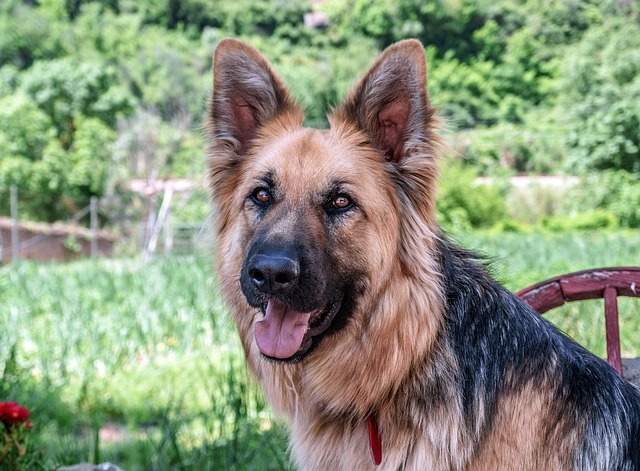
Transforming mundane walks into exciting adventures is at the heart of successful pet sitting, especially when it comes to our canine companions. The art of dog walking involves understanding a dog’s unique personality, needs, and preferences to ensure not just their physical health but also their mental stimulation. A happy hound isn’t just a well-exercised one; it’s one that enjoys the experience, making each walk a positive memory.
Expert pet sitters approach dog walking with a strategic mindset. This includes tailoring walks to suit the breed, age, and energy levels of the dog. For example, high-energy breeds like Border Collies thrive on vigorous exercise, while senior dogs may benefit from slower-paced strolls that focus on gentle movement and social interaction. Incorporating diverse environments like parks, forests, or even urban street wanderings can provide sensory stimulation, enriching their experience.
Data suggests that consistent and varied routines contribute significantly to a dog’s overall well-being. Pet sitters who embrace this principle can make a profound impact. Using positive reinforcement techniques during walks is another powerful tool. Rewarding good behavior with treats or praise not only reinforces desired actions but also strengthens the bond between pet sitter and dog. A satisfied, contented dog is a testament to the artful navigation of these daily walks, turning them into memorable pet sitting adventures.
Ensuring Safe & Fun Pet Sitting Days: Tips & Tricks
Creating safe and fun pet sitting days is paramount to ensuring both the well-being of animals and the satisfaction of those who care for them. Pet sitting and dog walking are not just tasks; they are responsibilities that demand a deep understanding of each animal’s unique personality, needs, and behaviors. A study by the American Pet Products Association (APPA) revealed that 65% of pet owners consider their pets to be family members, highlighting the importance of maintaining a safe and enriching environment when they’re away.
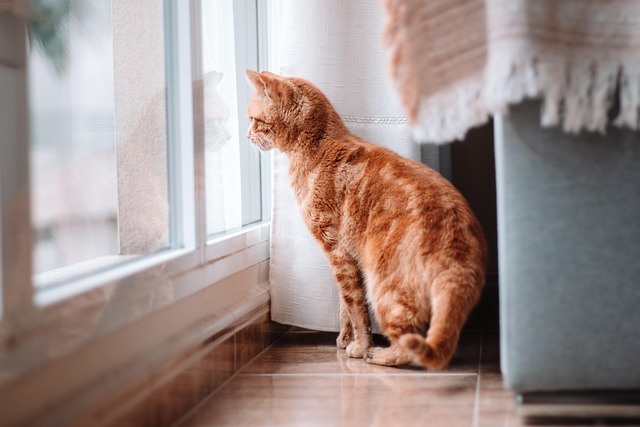
One of the key aspects is establishing clear routines. Pets thrive on predictability, so maintaining consistent feeding schedules, exercise routines, and bedtime rituals can significantly mitigate stress. For instance, dog walkers should adhere to scheduled walks, avoiding spontaneous changes that might disrupt a dog’s natural rhythm. Additionally, creating a comfortable and secure space for pets within the home is essential. This includes providing safe, chew-proof areas for dogs and quiet, secluded spaces for cats, ensuring they feel at ease during their stay.
Communication is another vital tool. Pet sitters should maintain open lines of dialogue with pet owners, sharing regular updates through text messages, emails, or even video calls. This not only reassures owners that their pets are well-cared for but also allows sitters to address any concerns promptly. Moreover, staying vigilant and alert during pet sitting assignments is crucial. Observing pets for any signs of distress, illness, or unusual behavior enables quick action, potentially preventing serious health issues from developing while the owner is away. Regular check-ins with veterinarians can also help in maintaining the overall health and happiness of the pets in your care.
By mastering the skills outlined in this comprehensive guide, you’re now equipped to embark on successful pet sitting and dog walking adventures. From meticulously preparing your space and supplies to employing effective communication techniques with pets and their owners, you’ve gained a deep understanding of what it takes to ensure safe, fun, and fulfilling days for both animals and people alike.
Key takeaways include the importance of thorough preparation, such as researching pet care needs and gathering essential supplies. Additionally, understanding canine body language and leveraging positive reinforcement training methods significantly enhance your ability to handle various dog walking scenarios.
Moving forward, apply these insights to elevate your pet sitting experience. Whether you’re a seasoned professional or just starting out, continuously refining your skills will not only benefit the pets in your care but also solidify your reputation as a trusted and expert caregiver.