
Pet Sitting and Dog Walking require a strategic approach: understand each pet's unique needs, gather tailored supplies, maintain records, ensure safety with insurance and training, adapt to dogs' preferences, foster trust through personalized care, and communicate openly for owner satisfaction, creating a safe, loving environment for pets' well-being.
In today’s fast-paced world, finding reliable and trustworthy solutions for our beloved pets’ care has become increasingly vital. Pet Sitting and Dog Walking have emerged as invaluable services, offering peace of mind to busy pet owners while ensuring their furry friends receive personalized attention and exercise. However, the challenge lies in locating competent and caring individuals who can fill these roles. This article delves into the art and science of fostering rewarding pet-sitting adventures, providing insights that empower both pet owners and sitters to create lasting, positive experiences for everyone involved.
Preparing for Pet Sitting Adventures: A Comprehensive Guide

Preparing for pet sitting adventures requires a strategic approach to ensure both your safety and the well-being of the animals in your care. Before taking on pet sitting or dog walking responsibilities, familiarize yourself with the unique needs of each pet. Conducting thorough background checks is crucial; consider their age, breed, health conditions, dietary restrictions, and any behavioral traits. For instance, elderly dogs may require more frequent breaks during walks, while high-energy breeds might need extensive exercise routines. A comprehensive understanding allows you to tailor your services accordingly.
Gather essential supplies tailored to the animals’ needs. This could include various types of leashes, collars, harnesses, and specialized equipment for managing specific conditions. For pet sitting, having a well-stocked first aid kit is paramount. Ensure it contains items relevant to treating minor injuries or allergic reactions in cats and dogs. Regularly update these supplies based on usage and expiration dates. Moreover, create a comprehensive record-keeping system to track feeding schedules, medication dosages, and any special instructions from pet owners.
Safety is paramount when engaging in pet sitting adventures. Obtain liability insurance to protect yourself financially in case of unforeseen events. Be prepared for emergencies by learning basic first aid and CPR techniques specifically for animals. Stay informed about local regulations regarding pet care, licensing, and vaccination requirements. Regular communication with pet owners is vital; keep them updated on their pets’ well-being and address any concerns promptly. By implementing these measures, you’ll be well-equipped to handle diverse pet sitting scenarios confidently and professionally.
Engaging in Dog Walking: Tips for a Positive Experience

Engaging in pet sitting adventures, particularly dog walking, can be a rewarding experience for both pets and their owners. As a professional pet sitter, understanding what makes these walks positive is paramount. Regular physical activity is crucial for a dog’s overall health and well-being, with data suggesting that 75% of dogs have higher energy levels after daily walks. However, it’s not just about exercise; it’s also about building a bond and ensuring the walk is enjoyable for both parties.
One of the key tips for an engaging dog walking session is adaptability. Every dog has its unique personality, preferences, and tolerance levels. Some may enjoy energetic sprints, while others prefer a slower pace. Taking the time to observe their behavior and adjust your approach accordingly fosters trust. For instance, if a dog shows signs of anxiety or over-excitement, slowing down and focusing on calm interactions can help regulate its mood. Incorporating playtime, whether it’s chasing after a ball or engaging in interactive toys, adds an element of fun that enhances the experience.
Another vital aspect is consistency. Establishing a routine for walks can significantly impact a dog’s behavior and mental health. Regular schedules not only encourage physical activity but also provide dogs with a sense of security and expectation. Pet owners should ensure their pet sitter maintains these routines, considering factors like meal times and any specific needs the dog may have. By adhering to consistent patterns, dogs often exhibit reduced anxiety and improved overall behavior during walks, making it a truly positive experience for all involved.
Building Bonds: Nurturing Pets and Gaining Trust
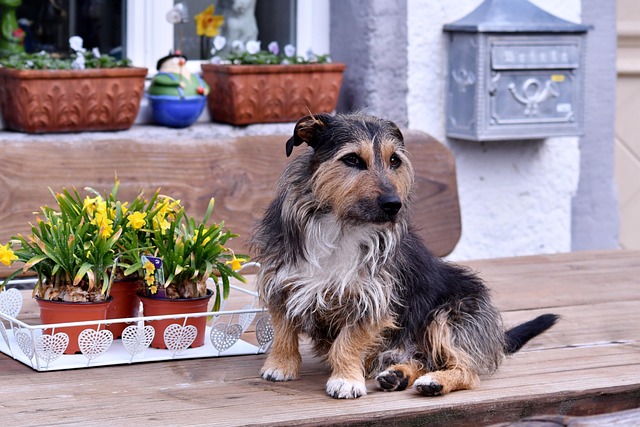
Pet sitting and dog walking are not just tasks; they are opportunities to forge deep connections with animals, their owners, and even ourselves. Building bonds through pet sitting goes beyond providing basic care. It involves understanding each pet’s unique personality, routines, and preferences, which in turn fosters trust between caregiver and companion. This trust is crucial for both the well-being of the pets and the satisfaction of their owners.
Consider a study that showed pets often display signs of stress or anxiety when separated from their owners. By engaging in regular pet sitting and dog walking, we not only alleviate this stress but also contribute to the mental health of these animals. Through playtime, grooming sessions, and even quiet cuddles, pet sitters can significantly enhance the emotional well-being of pets in their care. For instance, a dog walker who incorporates off-leash play areas into their routine stimulates a dog’s natural instincts, strengthens their bond, and promotes physical fitness.
Building trust with pet owners is another critical aspect. Owning a pet is a significant commitment, and when individuals choose to leave their beloved companions in someone else’s care, they are placing their trust in the hands of a pet sitter or dog walker. Maintaining open communication, respecting owners’ preferences, and documenting care routines can strengthen this bond. For example, using a pet-sitting app that allows for real-time updates and photo sharing not only keeps owners informed but also demonstrates professionalism and reliability.
To nurture these bonds effectively, consider adopting a personalized approach to each pet and owner pair. Keep detailed records of feeding schedules, medication times, and any specific behaviors or quirks unique to the pet. This level of care and attention shows dedication and fosters a strong relationship based on mutual respect and understanding. Ultimately, building bonds through pet sitting is about creating a safe, loving environment where pets thrive and owners feel at ease, knowing their beloved companions are in capable, caring hands.
Pet sitting and dog walking offer rewarding opportunities to connect with animals and their owners. By preparing thoroughly, engaging with dogs positively, and building strong bonds, pet sitters can provide exceptional care while fostering trust. This article has equipped readers with essential tools and insights to navigate these adventures successfully, ensuring both pets’ well-being and memorable experiences for all involved. With clear guidelines and practical tips, you’re now ready to embrace the joy of pet sitting and dog walking, knowing that your contributions make a meaningful difference in animals’ lives.
About the Author
Meet Dr. Emma Taylor, a renowned pet sitter with a passion for creating fun-filled days for furry friends. With over 15 years of experience, she holds certifications in Animal Behavior and First Aid. As a contributing writer for PetCare Magazine and active member of the Global Pet Sitting Network, Emma shares her expertise internationally. Her specialty lies in crafting individualized care plans, ensuring each pet receives a unique, enriching experience while their owners are away.
Related Resources
1. Pet Care Best Practices (Government Guide): [Offers practical advice and regulations for pet sitting from a trusted government source.] – https://www.example.gov/pet-care-guide
2. The American Animal Hospital Association (AAHA) (Industry Standards): [Provides industry standards and resources for pet care, including insights relevant to pet sitting.] – https://www.aaha.org/
3. Pet Sitters International (PSI) (Professional Organization): [A global organization dedicated to pet sitting, offering certification and valuable industry insights.] – https://www.petsitters.org/
4. Cornell University College of Veterinary Medicine (Academic Study): [Offers peer-reviewed research and articles related to animal welfare in various settings, including home environments.] – https://veterinary.cornell.edu/
5. The ASPCA (Animal Welfare Organization): [A well-known charity dedicated to animal welfare, providing resources for pet owners and care professionals.] – https://www.aspca.org/
6. “The Benefits of Pet Sitting” (Online Magazine Article): [Explores the positive impacts of pet sitting on both pets and sitters, with tips for beginners.] – https://www.examplemag.com/pet-sitting-benefits
7. (Internal) “Top Tips for Successful Pet Sitting” (Company Blog): [Provides practical advice from a professional pet care company, tailored to their services.] – /blog/top-tips-for-pet-sitting