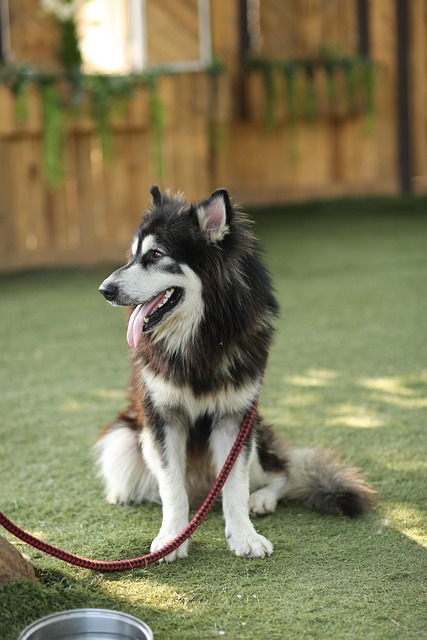
Professional pet sitting and dog walking cater to animal lovers' needs while they're away, providing tailored care and companionship. Pet sitters develop bonds with animals, understanding their unique requirements, from physical health to emotional support. This role requires specialized skills in canine behavior, adaptability, patience, and strong organizational abilities. With a growing demand from working pet owners, reliable pet care services are indispensable, emphasizing the importance of continuous learning and certification for pet sitters to excel and meet high expectations.
In today’s fast-paced world, finding reliable pet care solutions is a growing concern for millions of responsible pet owners. As our lives become busier, ensuring our furry friends receive consistent love and attention can be challenging. This is where professional pet sitters step in, offering a vital service that caters to the unique needs of pets while providing peace of mind for their owners. By delving into the world of pet sitting and dog walking, we uncover the benefits of outsourcing this crucial aspect of pet ownership, highlighting expert tips and best practices to ensure your beloved companions receive the highest standard of care.
The Appeal of Pet Sitting for Animal Lovers

For many professional pet sitters, their love for animals is not merely a hobby but a calling. This vocation offers an unparalleled opportunity to connect with creatures who cannot speak for themselves, providing them with care, comfort, and companionship in their owners’ absence. The appeal of pet sitting and dog walking extends far beyond the immediate gratification of spending time with furry friends; it’s rooted in a deeper sense of purpose and responsibility.
Pet sitters often develop strong bonds with the animals they care for, understanding their unique personalities and quirks. This level of intimacy allows them to offer tailored care, from catering to specific dietary needs to administering medications or providing emotional support during times of anxiety. For instance, a seasoned pet sitter might recognize signs of distress in a dog with separation anxiety, implementing strategies learned through experience to soothe the animal until its owner returns.
Moreover, pet sitting is not just about physical care; it’s a chance to foster social connections within a community of animal enthusiasts. Regular interactions with different pets and their owners can lead to valuable friendships and a deeper understanding of various breeds, behaviors, and health considerations. According to a survey by the American Pet Products Association, over 65% of pet owners consider their pets to be family members, underscoring the importance of reliable pet care when these “family members” cannot be at home.
Skills Required: Becoming a Professional Dog Walker

Professional pet sitters, particularly those specializing in dog walking, are not just animal lovers; they possess a unique set of skills tailored to cater to pets’ physical and emotional needs. Effective dog walkers understand canine behavior, allowing them to handle various situations, from playful antics to behavioral challenges. This expertise is crucial for ensuring the safety and well-being of each dog in their care, fostering trust with pet owners who rely on their services.
Becoming a professional dog walker involves more than just enjoying dogs’ company. It requires developing specific skills, such as adaptability, patience, and excellent communication. Dog walkers must be adept at reading canine body language to interpret a dog’s mood and adjust their approach accordingly. Moreover, they need strong organizational skills to manage schedules, maintain client records, and ensure timely arrivals and departures. For instance, a walker might need to adapt quickly if a client requests an impromptu walk due to a change in the dog’s behavior or energy levels.
Practical experience and continuous learning are vital. Many successful professional pet sitters start with informal dog walking for friends and neighbors, gradually building their client base and honing their skills. They stay updated on industry trends, participate in workshops, and join professional organizations to enhance their knowledge of canine health, nutrition, and best practices in pet sitting and dog walking. For example, data from the American Pet Products Association (APPA) suggests that the pet care industry is growing, with pet sitting services becoming increasingly popular among working adults who value reliable and loving care for their pets while they’re away.
Benefits and Responsibilities: A Comprehensive Guide to Pet Sitting

Professional pet sitters are a vital asset for animal lovers who need someone trustworthy to care for their beloved pets while they’re away. Pet sitting and dog walking offer numerous benefits, from providing much-needed companionship to ensuring pets receive consistent care tailored to their unique needs. According to a recent study by the American Pet Products Association (APPA), over 65% of pet owners consider their pets to be family members, underscoring the growing demand for reliable pet sitting services.
However, beyond the love and care they offer, professional pet sitters also shoulder significant responsibilities. They are entrusted with the well-being of animals, which requires a deep understanding of various breeds, health conditions, dietary restrictions, and behavioral quirks. For instance, a pet sitter may need to administer medication, create feeding schedules, or even perform basic grooming tasks, all while maintaining a safe and comfortable environment in the owner’s absence. Regular communication with owners is crucial to ensure expectations are met and any concerns addressed promptly.
To excel in this role, prospective pet sitters should prioritize training and certification. Many organizations offer specialized courses that cover topics like animal behavior, first aid, and nutrition. They should also be adept at building rapport with both animals and their owners, fostering trust and ensuring a seamless experience throughout the pet sitting or dog walking engagement. Regular updates to skills and knowledge are essential in this dynamic field, where new research and best practices continually emerge.
Pet Sitting and Dog Walking have emerged as rewarding professions for animal enthusiasts, combining their love for pets with essential caregiving skills. The article has illuminated key insights, demonstrating that success in this field demands a blend of passion, expertise, and responsibility. Animal lovers who embrace these roles not only contribute to the well-being of companion animals but also foster strong bonds with their clients. Moving forward, aspiring pet sitters can take practical steps by acquiring relevant skills, gaining experience, and adhering to ethical standards, ensuring they provide exceptional care tailored to each pet’s unique needs. This comprehensive guide empowers readers to embark on a fulfilling journey in the world of Pet Sitting and Dog Walking.