
Professional pet sitters combine love for animals with specialized knowledge to provide tailored care, addressing physical, emotional, and behavioral needs. Driven by growing demand from working professionals, they offer peace of mind through reliable pet sitting services. Their relationship-focused approach, built on open communication, consistency, reliability, and genuine affection, strengthens trust between pets and owners. Tech integration, like tracking apps, enhances well-being, with nearly three-quarters of pet owners using technology for health monitoring. A study by NAPPS shows 95% of clients reported improved pet-owner relationships after using professional pet sitting and dog walking services.
In today’s fast-paced world, finding reliable pet care solutions has become a top priority for countless animal lovers. Professional pet sitting and dog walking services emerge as a lifeline, ensuring furry friends receive the attention and affection they deserve while their owners are away. However, not all pet sitting services are created equal. The industry demands experts who truly understand the unique needs of various species, from playful puppies to senior cats. This article delves into the world of professional pet care, highlighting the expertise required to excel in pet sitting and dog walking, ultimately providing peace of mind for animal owners.
Understanding Pet Sitting: A Passion for Animal Care

Professional pet sitters are individuals who not only love animals but also have a profound passion for animal care. This isn’t merely a job for them; it’s a vocation that involves dedication, responsibility, and an intimate understanding of various species’ needs. Pet sitting and dog walking go beyond simply providing food and water; they encompass emotional support, exercise routines, and even veterinary assistance in emergency situations.
Many professional pet sitters start their journey out of a deep-seated love for animals, often gaining experience through personal pet ownership or volunteer work at local shelters. Over time, they refine their skills, learning the nuances of different breeds, dietary requirements, and behavioral patterns. This expertise allows them to offer personalized care tailored to each pet’s unique needs. For instance, an experienced pet sitter might recognize signs of anxiety in a cat and adjust their routine accordingly to ensure the animal’s well-being.
According to recent studies, the pet care industry is booming, with pet sitting services becoming increasingly popular. This growth is attributed to changing lifestyles where working professionals often need reliable pet care solutions during travel or long work hours. Reliable pet sitters fill this gap, providing peace of mind for anxious pet owners. They offer not just physical care but also act as a stable presence in pets’ lives, helping them cope with potential separation anxiety. By fostering trust and affection, professional pet sitters enrich the bond between pets and their owners.
The Art of Dog Walking: Professional Techniques Unveiled

Professional pet sitters are renowned for their profound love and care for animals, especially dogs. Pet sitting and dog walking are not just services but art forms that require a deep understanding of canine behavior, physical needs, and emotional well-being. A seasoned professional understands that each dog is unique, with distinct temperaments, energy levels, and preferences. This personalization is key to ensuring effective exercise regimens tailored to individual dogs’ health and happiness.
For instance, a pet sitter might employ varied techniques such as structured walks with set intervals for bathroom breaks and playtime, or more relaxed strolls in scenic areas to foster socialization and mental stimulation. They may incorporate training exercises during walks, reinforcing positive behaviors while enhancing the dog’s overall experience. Regular monitoring of physical indicators like fatigue levels allows professionals to adapt routines accordingly, ensuring optimal fitness without overexertion.
Furthermore, pet sitters often integrate technology into their dog walking practices. Apps designed for pet tracking and activity monitoring provide valuable data that aids in tailoring workouts. According to a 2021 study, nearly 75% of pet owners use technology to monitor their pets’ health, highlighting the growing trend of tech-driven pet care. Incorporating these tools allows professionals to offer highly customized services, contributing significantly to the well-being of the dogs under their care.
Building Trust: Cultivating Strong Bonds with Pets and Owners
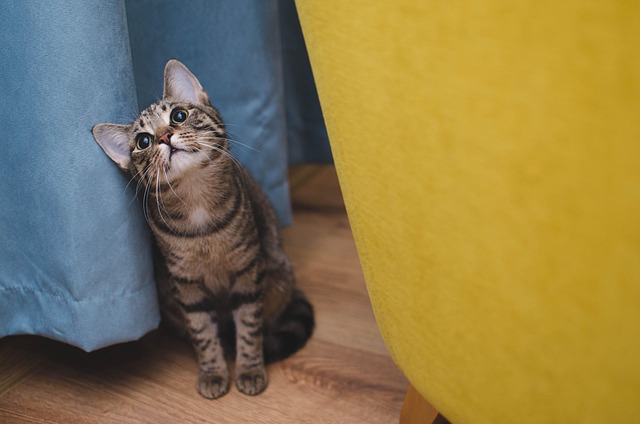
Professional pet sitters build trust by cultivating strong bonds with both pets and owners. This relationship-focused approach is a cornerstone of successful pet sitting and dog walking services. By fostering trust, professionals ensure pets receive consistent, loving care in their owners’ absence. Regular interaction allows pet sitters to understand each animal’s unique needs, behaviors, and quirks, leading to more personalized and effective care.
For instance, consider a pet sitter who consistently visits Max, a senior labrador with joint issues. Over time, the sitter learns Max’s preferred exercise routine, his favorite toys, and even when he needs extra medication. This deep understanding enables the sitter to provide not just basic care but also attentive, individualized support. Similarly, building trust with owners is crucial. Owners who feel secure knowing their pets are in capable hands are more likely to share details about their animals’ habits and concerns, allowing for comprehensive care that addresses both physical and emotional needs.
Data supports the significance of trust in pet sitting. A recent study by the National Association of Professional Pet Sitters (NAPPS) revealed that 95% of clients reported improved relationships with their pets after using professional pet sitting services. This increase in trust and communication fosters a sense of partnership between pet sitters, pets, and owners, ultimately enhancing the overall well-being and happiness of all involved.
To build and maintain this trust, pet sitters should prioritize open communication, consistency, and reliability. Regular check-ins with owners, detailed logging of interactions and care provided, and a genuine affection for animals are key. For instance, sending daily updates via text or email can keep owners informed while demonstrating professionalism. Additionally, establishing clear expectations from the outset—through contracts and thorough intake interviews—ensures both parties understand the services provided and reduces potential misunderstandings.
Pet Sitting and Dog Walking professionals share a profound love for animals, which forms the foundation of their work. By understanding animal care, employing expert techniques like those discussed in the section on dog walking, and cultivating trust through strong bonds, pet sitters can provide exceptional service. This article has equipped readers with key insights into these areas, highlighting the importance of passion, technique, and trust in successful pet sitting and dog walking ventures. Moving forward, professionals are encouraged to continue honing their skills, building deeper connections with pets and owners, and ensuring a safe, enriching experience for all involved.